



FEATURES
Windbreak Steel Fence: Your Ultimate Solution for Industrial Dust and Wind Control

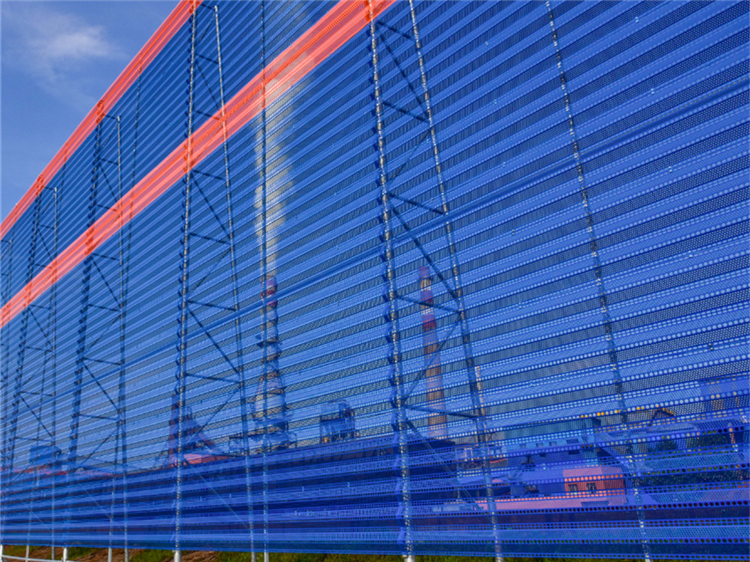
If you’ve ever passed by a coal yard, power plant, or construction site, you’ve likely seen large, perforated metal structures stretching across the landscape. These are windbreak steel fences (also known as windproof dust suppression nets), and they are the unsung heroes of industrial environmental protection. Today, let’s explore what they are, how they work, and why they’re indispensable for modern industrial operations.
What Is a Windbreak Steel Fence?
A windbreak steel fence is a specialized engineered structure designed to control wind speed and capture airborne dust particles in open industrial areas. The fence in the photo is a classic example: made of perforated steel panels, arranged in parallel rows, and supported by a sturdy metal framework. The bright blue color not only adds visibility but also comes from a durable, corrosion-resistant coating.
These fences are typically constructed from galvanized steel or aluminum, treated with hot-dip galvanizing or powder coating for long-term weather resistance. The perforated design—often with varying hole sizes and patterns—is the key to their effectiveness.
How Do Windbreak Steel Fences Work?
Windbreak steel fences use a two-pronged approach to combat wind and dust:
- Wind Speed ReductionAs high-speed wind hits the perforated panels, it passes through the holes, creating turbulence. This turbulence dissipates the wind’s kinetic energy, reducing its speed by up to 60-70% on the leeward side. The multi-row design further enhances this effect, creating a low-wind zone behind the fence where dust cannot be carried away.
- Dust SuppressionThe reduced wind speed prevents loose materials like coal, sand, or ore from becoming airborne. Additionally, the perforated panels act as a physical barrier, trapping larger dust particles as they pass through. This dual action significantly cuts down on fugitive dust emissions, improving air quality both on-site and in surrounding communities.
Key Benefits of Windbreak Steel Fences
- Environmental Compliance: Meets strict industrial emission standards by controlling dust pollution, helping facilities avoid fines and meet sustainability goals.
- Cost-Effective Dust Control: A one-time installation provides long-term dust suppression, eliminating the need for continuous water spraying or expensive chemical treatments.
- Durability in Harsh Conditions: Made from galvanized or coated steel, these fences can withstand extreme weather, including strong winds, heavy rain, and UV exposure, with minimal maintenance required.
- Customizable Design: Available in different heights, lengths, hole patterns, and colors to match specific site requirements and aesthetic preferences.
- Safety Enhancement: Reduces wind-blown debris and improves visibility in industrial areas, creating a safer working environment for employees.
Common Applications
Windbreak steel fences are widely used in industries where open-air material storage or wind exposure is common:
- Coal mines, power plants, and coal storage yards
- Construction sites and open stockyards
- Ports, terminals, and bulk cargo handling facilities
- Steel mills, cement plants, and mining operations
- Landfills and waste management sites
Technical Specifications (Typical)
表格
| Parameter | Details |
|---|---|
| Materials | Galvanized steel, aluminum, stainless steel |
| Panel Thickness | 0.5mm–1.5mm |
| Height | 5m–25m (customizable) |
| Length | Customized to site requirements |
| Hole Patterns | Single, double, or three-layer perforations (round, diamond, or slotted holes) |
| Surface Treatment | Hot-dipped galvanized, powder coated (custom colors available) |
| Wind Speed Reduction | 50–70% reduction in wind speed behind the fence |
| Dust Suppression Rate | Up to 80% reduction in fugitive dust emissions |
Why Choose a Modular Windbreak System?
The windbreak fence in the photo uses a modular design, which offers several key advantages:
- Fast Installation: Prefabricated panels and standard support structures allow for quick on-site assembly, minimizing downtime.
- Scalable: Fences can be easily extended or modified as site requirements change, making them a flexible long-term solution.
- Cost-Efficient: Modular components reduce manufacturing and installation costs compared to custom-built structures.
Final Thoughts
Windbreak steel fences are more than just metal barriers—they’re essential tools for balancing industrial productivity with environmental responsibility. By controlling wind and dust, they help facilities operate more sustainably, protect local air quality, and create safer work environments.
As industries continue to prioritize environmental compliance, windbreak steel fences will remain a key solution for open-air operations. Whether you’re managing a coal yard, construction site, or port terminal, these fences offer a proven, cost-effective way to control wind and dust.
Do you want me to adjust the tone (more technical / more casual) or expand on any specific section of this blog?